
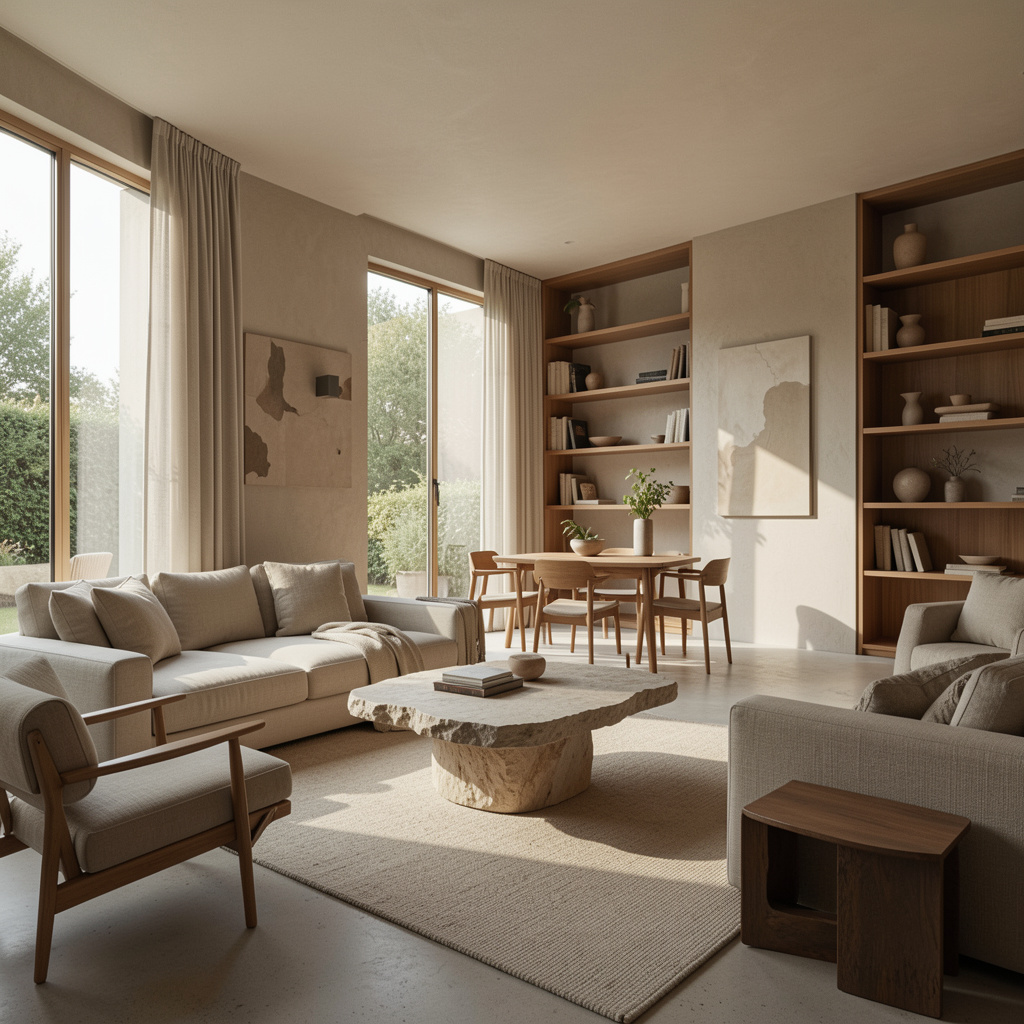
Light as a building material
We explore how natural light changes our perception of space and how to direct it into living areas.
Read the articleLight isn’t just what comes through the window; it’s the material we use to shape space. In a successful interior, natural light determines where we place areas to relax and where we let shadows fall. We observe how the sun moves through the room from sunrise to sunset, then adapt the design to follow its path.
Homeowners in major cities planning their home lighting
Every window is a source of energy that needs to be managed. We use lightweight linen curtains to filter harsh rays and create a calm, diffused light. In work areas, we aim for consistent lighting that won’t strain the eyes. In living areas, we let the sun cast geometric shapes across the floor and bring dynamism to the space.
Artificial light should complement, not replace, daylight. We choose light fixtures with warm color temperatures that mimic the natural light of evening. We place light sources at different heights to create layers of illumination. A floor lamp beside an armchair creates an intimate nook, while discreet spotlights highlight the ceiling’s architecture.
Shadow and depth
Without shadows, a space feels flat and characterless. Shadows give objects shape and define the corners of a room. We like to leave certain areas in partial shade to draw attention to strategically lit features. It’s a play of contrasts that brings a sense of calm and visual comfort.
In the evening, the atmosphere changes completely. Controlling light intensity lets you shift from an active mood to deep relaxation. We design electrical circuits so you can adjust the lighting to suit your immediate needs. Ultimately, light is the most flexible design tool at our disposal.